
Cart
Shopping cart is empty

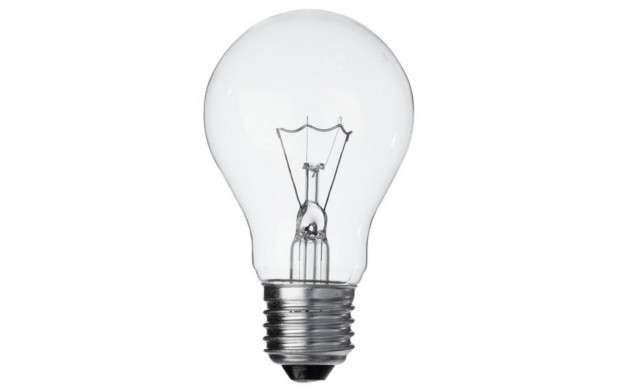
The incandescent light bulbs are considered as the oldest form of light, a technology firstly revealed by Thomas Edison. In order to produce light, a glass container is filled with an inert gas and then electric current flows through a filament made by Wolfram.
The end result is a glowing item that shines brightly when there’s enough power. However, there’s a big issue with this old technology as it emits only 5% light and the rest is given off as heat.
Benefits:
- The light is even without disturbance
- You can dim the light’s intensity
Disadvantages:
- Consumes too much power without giving enough brightness
- Gives off more heat than light
- Not energy-efficient
- Relatively short lifespan of up to 100 hours.
2. Halogen Lamp

The halogen lamp is an advanced development of the incandescent lamp, whereas the inert gas argon is replaced with halogen gases such as iodine and bromine.
Moreover, the filament has been replaced with a thinner alternative that has an increased burning temperature. This enhances the lifespan of the halogen lamp between two and four times. Moreover, throughout its whole lifetime, the light and the color will remain the same.
Benefits:
- The light remains the same without flickering
- The light output and color temperature remain the same
- Easy to dim
Disadvantages:
- High power consumption, low light output.
- High heat consumption, low brightness output
- Sensitive to mechanical impact
- Difficult installation that could cause thermal damage
3. LED Lamp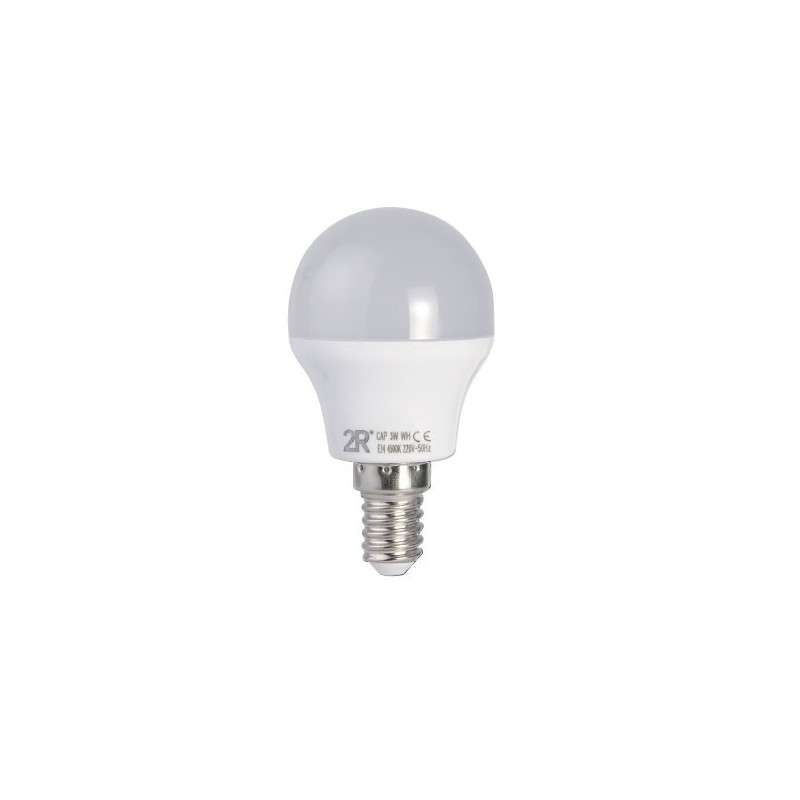 What makes LED lamps so desirable is the fact that they never burn out like the traditional light bulbs. This is possible due to the entirely different process of creating light. The LED lamp uses a semiconductor with electron holes that recombine with the electrons released from the voltage applied. This way they release energy in the form of photons (light particles).
This process is called electroluminescence, and the produced color depends on the energy gap. The first LED lamp was created in 1962 by Nick Holonyak in red color. In the 1990s and 2000s, the development of the technology goes further, and the production costs fall from up to $200 a piece to 5 cents.
Benefits:
- Pure light
- No UV emissions
- Low heat production
- Low power consumption
- Excellent dimming capabilities
- Lifetime of up to 100,000 hours
- Environmentally friendly
- No toxic materials
- Highly durable
- Works perfectly in extreme weather conditions
Disadvantages:
- The color temperature changes
- Requires precise control of voltage and current as it is drive-sensitive
- LED lights are significantly more expensive than other alternatives.